Where to Eat in Palma de Mallorca: Areas, Markets, Timing
Where to eat in Palma de Mallorca by neighborhood and market, with local meal times, tipping, reservation advice and a simple food walk.
Affiliate disclosure: this guide contains affiliate links. If you book through them, we may earn a commission at no extra cost to you. Learn more
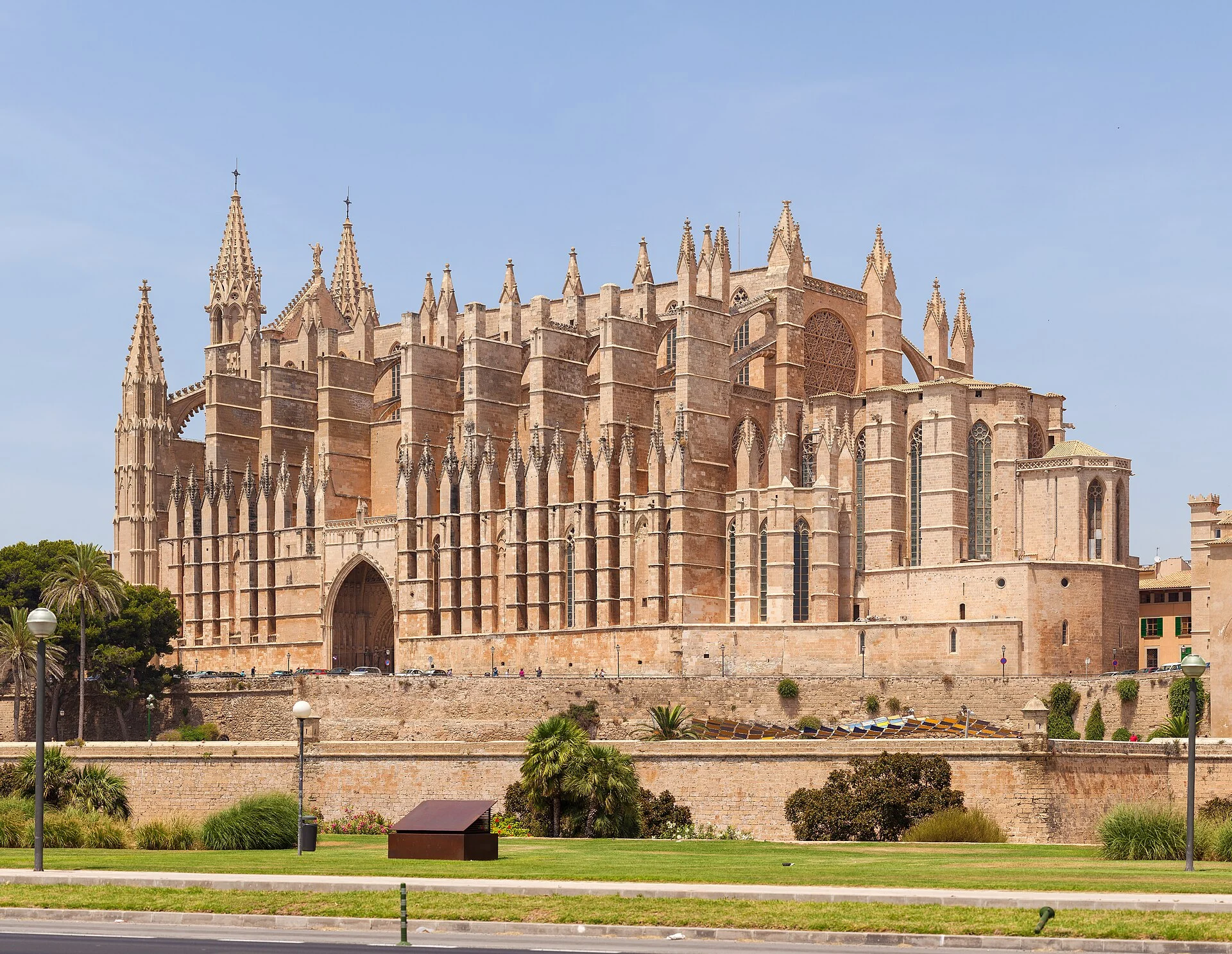
Photo: Thomas Wolf, www.foto-tw.de, CC BY-SA 3.0 de, via Wikimedia Commons
Reviewed by MMT
Where to eat in Palma de Mallorca? Start with Santa Catalina, the Old Town and La Lonja, plus the Olivar and San Juan markets, according to Visit Palma’s restaurant guide. For seafood and rice dishes, head to the seafront at Ciutat Jardí or Es Molinar. Plan for later meals than in the US, and reserve popular restaurants ahead on weekends and in high season.
| Area | Best for | Getting there |
|---|---|---|
| Old Town | Traditional and stylish restaurants, ensaimada, ice cream | Buses 2, 46, 15 |
| La Lonja / Born | Basque taverns, seafood, pizzerias, sandwiches, pa amb oli | Buses 46, 15, 50 |
| Santa Catalina | Highest density of restaurants and cafés, Mexican, vegetarian, Vietnamese | Buses 3, 5, 46, 41, 50 |
| Mercat de l’Olivar | Market-side tapas, pintxos, fresh food | Buses 17, 23, 41 |
| Mercado Gastronómico San Juan | Up to 17 stands, noon to midnight (Illes Balears market page) | C/de l’Emperadriu Eugènia, 6 |
| Es Molinar / Portixol / Ciutat Jardí | Fish, seafood, stews, rice dishes | Buses 15, 18, 28, 30 |
| Passeig de Mallorca / Jaume III | Wide variety of cuisines | Bus 2 |
Where to Eat in Palma de Mallorca: Our Pick by Area
Palma has more than 1,000 restaurants covering cuisines from all over the world. Several travelers in food guides advise looking beyond the waterfront and tourist-center spots toward Santa Catalina, La Lonja and the markets. Pick an area first, then choose a restaurant by walking past a few.
Old Town and Passeig des Born
Palma’s old town is described as the biggest in Europe, with both traditional and stylish restaurants, bars and cafés. Passeig des Born has a large offering of Mediterranean cuisine and cafés, known for sandwiches and pa amb oli. Buses 2, 46 and 15 serve the Old Town.
La Lonja
Plaça de la Llotja has pizzerias, Basque taverns and seafood restaurants. Our pick for dinner with a mix of tastes: start here and walk the small streets until something fits. Buses 46, 15 and 50 stop here.
Santa Catalina and Plaça del Progrés
This area has one of the highest concentrations of restaurants and cafés. Plaça del Progrés has Mexican and vegetarian restaurants and Vietnamese specialties. Buses 3, 5, 46, 41 and 50 serve Santa Catalina.
Jaume III and Passeig de Mallorca
This is described as a major food hub for quantity and variety: Mediterranean, international, Basque, Caribbean, Mallorcan, Chinese and Italian food, plus grills and fresh food. Bus 2 serves it.
Seafront: Es Molinar, Portixol, Ciutat Jardí
Es Molinar and Portixol are called the most traditional area for fish, fresh seafood, stews and rice dishes. Ciutat Jardí has the city’s most popular seafood restaurants.
Our pick for seafood or rice: Ciutat Jardí or Es Molinar, both on buses 15, 18, 28 and 30. Check the bus strike section below before you go.
Gènova and Avinguda de l’Argentina
Gènova, in the hills above Bellver castle, is known for Mallorcan and Mediterranean restaurants and excellent meat, and it also has Colombian and Scandinavian food. Bus 46 serves it. Avinguda de l’Argentina has seafood, Chinese, Italian, Galician and paella restaurants.
Palma Food Markets: Olivar, Santa Catalina and San Juan
Palma has a network of municipal markets, each often with a character linked to its neighborhood, according to Visit Palma’s food page. Locals, tourists, diners and shoppers all mix there. The Balearic tourism board names the Olivar, Santa Catalina and Pere Garau markets, where several restaurants will prepare products you buy so you can taste them.
Mercat de l’Olivar
This municipal market in central Palma is surrounded by places serving Mediterranean and fresh food, pizzas, salads, burgers, kebabs, sandwiches, tapas and pintxos. Buses 17, 23 and 41 serve it. Check the market’s opening hours and closing days before you go.
Santa Catalina market
The Balearic tourism board lists it as a gastronomic market. Pair it with a meal in the surrounding streets.
Mercado Gastronómico San Juan
Up to 17 stands serve dishes from oysters to omelets, pinchos, pastries and hamburgers. Others offer Thai or Japanese food, llonguets, Basque tapas, croquettes and fideuás.
It’s open all year, daily from noon to midnight, and until 4 a.m. on holidays and weekends. A large central square with terraces sits among the stands, with drinks and live performances.
Our pick for late-night eating or a group with different tastes: San Juan, since everyone can eat from a different stand. The address is C/de l’Emperadriu Eugènia, 6, and the market’s official site has current details.
Compare how other Spanish cities handle market eating in our guide to eating in Madrid like a local.
What to Eat in Palma: Dishes and Ensaimada
Try el tumbet and el frit, two traditional local dishes. Llonguets are the typical Palma bread rolls. For another Spanish city’s menu, see where to eat in Malaga, Spain.
Tumbet and frit
Look for them at traditional restaurants in the Old Town. Ask your server how each is prepared that day.
Ensaimada
In the Old Town, finish a meal with traditional ice cream or ensaimada pastry with chocolate, a pairing Visit Palma’s essential experiences page also suggests.
How to order tapas and pintxos
At San Juan, pinchos and Basque tapas are on offer at the stands. Around Olivar, tapas and pintxos places surround the market. Order a few small plates at a time rather than everything at once.
Spanish Meal Times and the Menú del Día
Travelers often warn American visitors that Spanish meal times differ from US schedules, with lunch commonly in the early-to-mid afternoon and dinner later in the evening. Eat a snack in between if you get hungry early.
Travelers frequently suggest a menú del día at lunchtime to sample local food for less than ordering à la carte. For a meal-time breakdown, read where to eat in Valencia, Spain.
Reservations, Walk-ins and Tipping
Travelers very commonly recommend reserving popular Palma restaurants ahead, especially for weekends and high season, because walk-in availability can be limited. Recent travel guidance repeats this for summer and weekends. Book directly with the restaurant.
For a no-plan fallback, San Juan’s stands serve food daily from noon to midnight.
A Simple Food Walk Through Palma
This route links areas that share bus lines (bus 46 serves the Old Town, La Lonja and Santa Catalina), so you can drop out at any point.
- Old Town (buses 2, 46, 15): start with a coffee and ensaimada with chocolate.
- Passeig des Born: a sandwich or pa amb oli.
- La Lonja (buses 46, 15, 50): tapas at a Basque tavern or a seafood plate.
- Santa Catalina (buses 3, 5, 46, 41, 50) or Olivar (buses 17, 23, 41): dinner in Santa Catalina or pintxos around Olivar.
Prefer a guide? Visit Palma’s guided tours page lists an Old Town + Tapas Tour at €47 (about $52) and a Palma Foodie & Cultural tour at €180 (about $199) for 1 to 15 people. Its Tapas Cycling Tour is €48 (about $53) per adult and €45 (about $50) for children under 12, booking fee excluded. Prices and availability may vary, and the free option is the self-guided walk above.
Some links in this guide are affiliate links. If you book through them, we may earn a commission at no extra cost to you.
Compare guided food tours here: Browse Palma de Mallorca tours and activities on Viator
Bus Strike Check and Dining Outside the Center
A general strike on November 11, 2026, set minimum service levels for most EMT Palma routes at 30%. Certain hospital-serving routes had higher minimum levels, and the official notice does not mention route diversions. Allow extra time and check current transport status. This matters most for Es Molinar and Ciutat Jardí (buses 15, 18, 28, 30) and Gènova (bus 46).
Buses disrupted? Stay in the Old Town, La Lonja, Born and Santa Catalina.
What to Book
- Dinner at popular restaurants (weekends, summer): book directly with the restaurant.
- Guided food or tapas tour: the official listings are on Visit Palma’s guided tours page. Compare options: Browse Palma de Mallorca tours and activities on Viator. The free alternative is a self-guided market walk.
FAQ
Where to eat dinner in Palma de Mallorca?
Santa Catalina, La Lonja or the Old Town. Reserve ahead on weekends and in summer, and expect dinner later than in the US, according to traveler reports.
Does Palma restaurant take walk-ins?
Travelers report limited walk-in availability at popular spots on weekends and in high season. As a fallback, San Juan market’s stands serve food daily from noon to midnight.
Where to eat at Palma Airport?
Our sources don’t cover airport dining. Our pick: eat in the city before you head out.
How much is a meal in Palma de Mallorca?
Our sources don’t give meal prices yet. Travelers suggest the menú del día at lunch as a lower-cost option.
What food is Palma famous for?
Tumbet, frit and ensaimada, plus llonguets, the typical Palma bread rolls.
Sources
- Visit Palma: Food
- Illes Balears: Markets and fairs
- Illes Balears: Mercado Gastronómico San Juan
- Visit Palma: Restaurants and nightlife
- Visit Palma: Restaurants and nightlife (essential experiences)
- Visit Palma: Guided tours
Last checked: 2026-11-16